
Sustaining a robust, resilient workforce is challenging. The challenge is amplified for not-for-profits facing budget and resource constraints. At a time when competition for talent is fierce, workload demands are high and employee engagement can be difficult to maintain, it is worth considering different approaches.
The standard workforce planning model of assessing demand, auditing the current workforce, defining the gaps and developing a plan remains useful. For not-for-profits, there is an opportunity to shift how this model is executed: towards developing and nurturing talent from within, creating a wellspring where engaged and motivated staff can help build the future workforce.
A wellspring is the source of a stream, where water bubbles up continuously from an underground aquifer. Because it relies on a deep, natural reservoir, a true wellspring can be self-sustaining and constantly replenishing.
Embrace the metaphor
When you apply the metaphor of a wellspring to building a sustainable workforce, the shift is significant. It means moving from a fill-the-gaps and keep-the-funnel-full approach towards creating an environment that develops talent and engages employees.
It means future leaders see opportunities for growth and development, workloads can be shared, and there is active collaboration rather than silos.
A workforce utopia? No. The challenges still exist and the landscape remains dynamic. A workforce wellspring can help build resilience, giving organisations greater flexibility to adapt to changing circumstances.
The source of this wellspring already exists. It just needs to be unearthed and opened up.
Your future workforce lies within your teams. The quality and flow of your wellspring is influenced by the structure, dynamics and functioning of those teams. Highly functional and effective teams can support employee engagement and help develop future leaders. Poorly structured teams can erode engagement and contribute to leadership attrition.
Create healthy teams
Healthy teams can be an important foundation for workforce sustainability.
Evidence from Google’s Project Aristotle highlighted the importance of how people interact within teams, while research published in the Academy of Management Journal has examined how collective leadership can support flexibility, adaptability and resilience.
From a job demands-resources model perspective, teams can also provide a buffer against burnout. A supportive team culture can help employees manage workplace stressors, while effective teams create space for collaboration and shared workloads.
Importantly, research suggests teams can create microcultures that influence the broader culture of an organisation. The quality of the team environment can affect engagement, psychological safety and accountability.
Creating a sustainable workforce will always be challenging. The future of not-for-profits depends in part on their ability to build and retain a healthy workforce.
Traditional talent pipelines and development pathways alone may not be enough. Not-for-profits can also look within their existing teams to develop capability and future leaders.
This means investing in teams that are more cohesive, collaborative and accountable for working together effectively.
Take an evidence-based approach
Unearthing the wellspring happens through constructive team development: a process of ensuring teams have essential team attributes, are supported by enabling conditions and have effective team dynamics.
Constructing effective teams can create a microculture that supports the development of the future workforce.
More than 50 years of research and practitioner experience has examined how teams develop and function. Bruce Tuckman identified stages of team development. Amy Edmondson’s research has explored psychological safety and the conditions that allow people to learn and contribute. Patrick Lencioni has examined the effects of dysfunctional team dynamics.
Together, this body of work points to the importance of well-functioning teams in supporting engagement, resilience and workforce development.
Work from the inside out
Investment in constructive team development is an investment in creating a more sustainable workforce. The potential benefits include better-functioning teams, greater resilience, stronger pools of engaged employees, opportunities for future leaders and improved organisational performance.
The wellspring for workforce sustainability depends on building resilience from the inside out. By shifting some of the focus towards constructive team development, not-for-profits can strengthen the teams they already have while developing the capability they will need in the future.
The wellspring is there. It is time to unearth it from within.
Read also: When capability language hides community-sector leadership

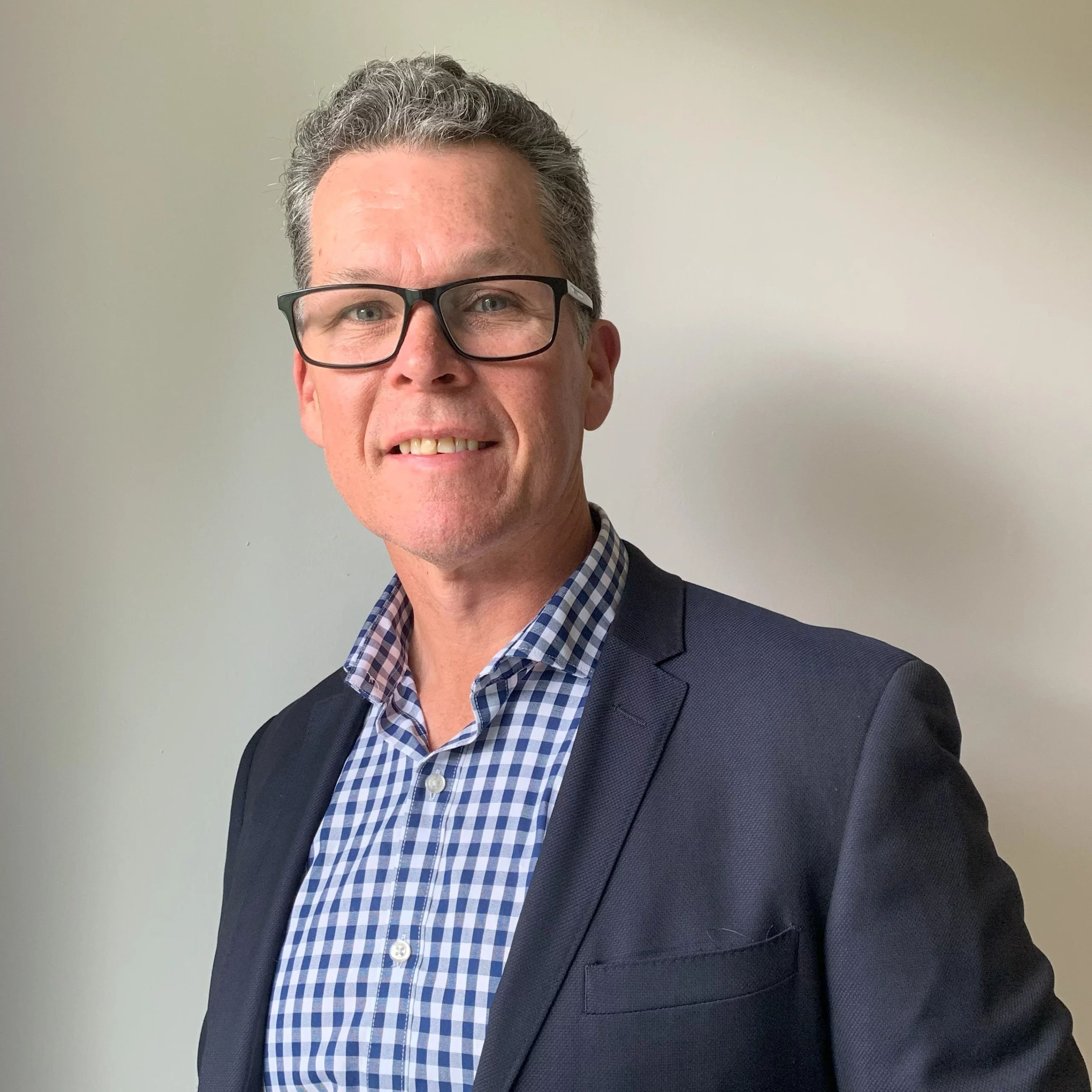
Sean O’Leary
As a team and leadership coach Sean helps not-for-profit and social impact organisations build stronger teams and more robust cultures. He focuses on developing collective leadership and cohesive teams through practical, evidence-based programs. His transformative approach combines individual development with whole team and organisational perspectives.



 Trending
 Popular