
98 per cent of young Australians say it’s important for children to have a voice in decisions that affect them. Only 34 per cent feel adults listen. And 60 per cent back a dedicated Federal Minister for Children.
Those figures come from a national survey of 1,000 children and young people commissioned by child protection organisation Act for Kids. They sit behind a campaign, co-designed with young people, calling for a dedicated children’s minister in Cabinet.
What young people said
When asked what a Federal Minister for Children should work on first, respondents put education, child safety and bullying prevention at the top of the list. Two young people who helped shape the campaign explain why.
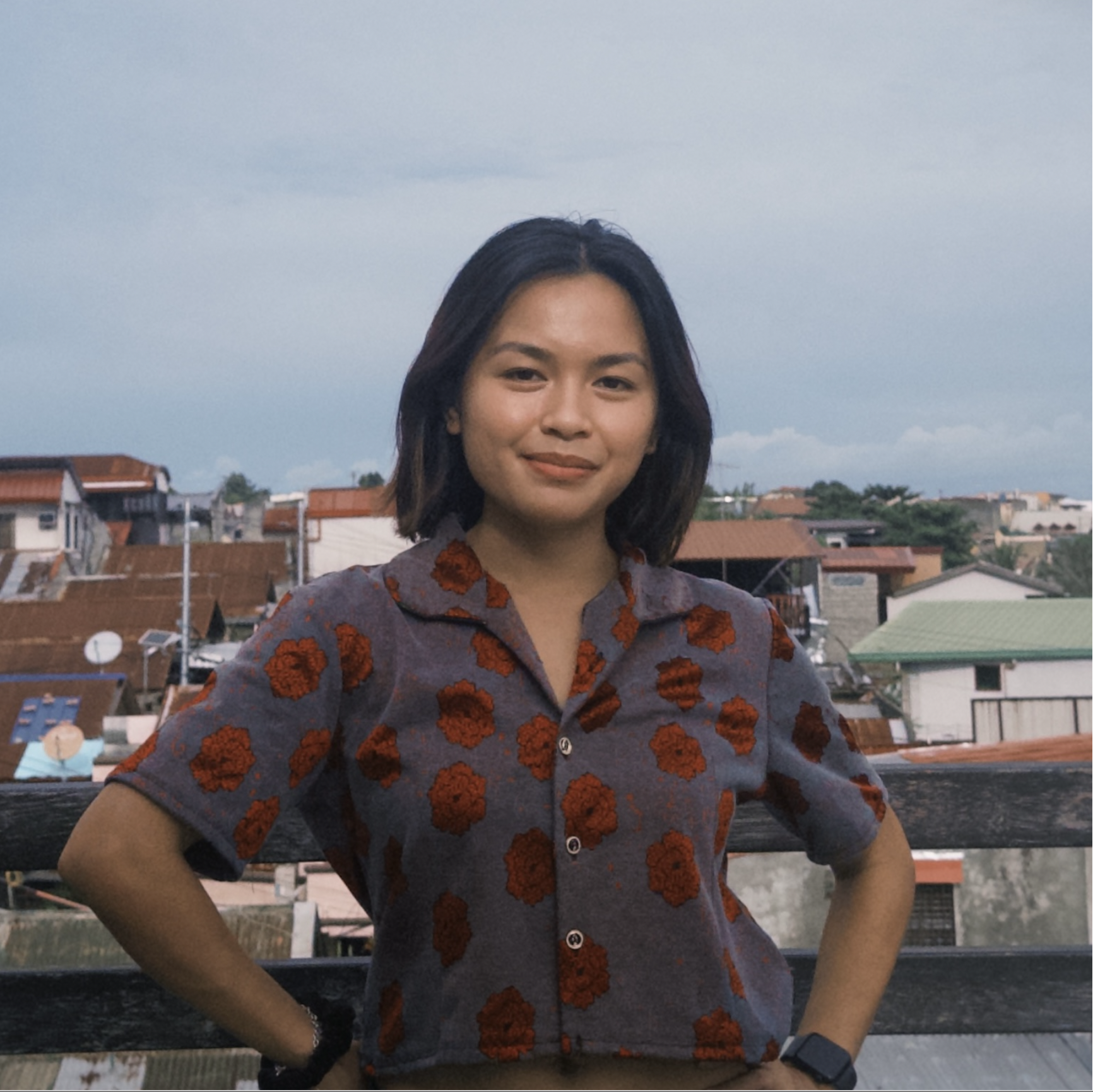
Theodore, one of the co-designers, says the minister should strengthen national child protection measures, improve early intervention and make sure vulnerable children and families can reach appropriate support. Shraddha, a high school student who also contributed, would start with education, specifically on social awareness, bullying and safety.
Their answers cover very different parts of government, which is exactly the point.
Children’s issues cut across everything
Almost every area of public policy touches children, from health and education to family safety and the online world. Yet these issues are usually handled separately, even when they affect the same children and families. The numbers show how many portfolios are involved:
- 53 per cent of children were developmentally on track across all five domains measured by the Australian Early Development Census in 2024.
- 53 per cent of children aged 10 to 17 have experienced cyberbullying, according to eSafety Commissioner research.
- 60 per cent of the same age group have seen or heard online hate, also according to eSafety.
- Around 179,000 children came into contact with the child protection system in 2023–24. Emotional abuse, including exposure to family and domestic violence, was the most common primary type of substantiated maltreatment.
The case for a dedicated advocate
Act for Kids CEO Dr Katrina Lines says that children, who make up one of the largest population groups in Australia, should be represented at the Cabinet table. Government support for children, she says, is spread across different portfolios, which creates a risk of gaps, duplication and inconsistent support. She points out that countries including New Zealand and the United Kingdom already have dedicated ministers.
“Australian children are telling us they have something to say and they want a dedicated advocate in government,” Lines says.
The call isn’t new to the sector. A national consultation of more than 200 experts on children’s experience of violence, led by researchers Kate Fitz-Gibbon and Matt Tyler for 54 reasons, included re-establishing a Federal Minister for Children among its recommended actions. Two separate efforts, one built on young people’s own views and one on expert consultation, have reached the same conclusion.
Rights, voice and accountability
The campaign draws on the idea that children have a right to their own voice, language, culture and beliefs. A dedicated minister would give that principle a clear point of responsibility: someone accountable for pulling together child protection, education, health and online safety rather than leaving them in separate silos.
Whether or not a children’s minister is ever created, the survey carries a practical lesson for any organisation working with young people. A gap of 64 percentage points between children who say a voice matters and children who feel heard is a prompt to ask how your own programs listen. Co-designing with young people, as this campaign did, is one concrete answer.
Read also: The rise of violence for violence’s sake among vulnerable youth

Ritchelle is Content Team Manager at Akolade, producing stories for Australia's not-for-profit sector at Third Sector.



 Trending
 Popular